Risk Reduction & Complication Prevention Training
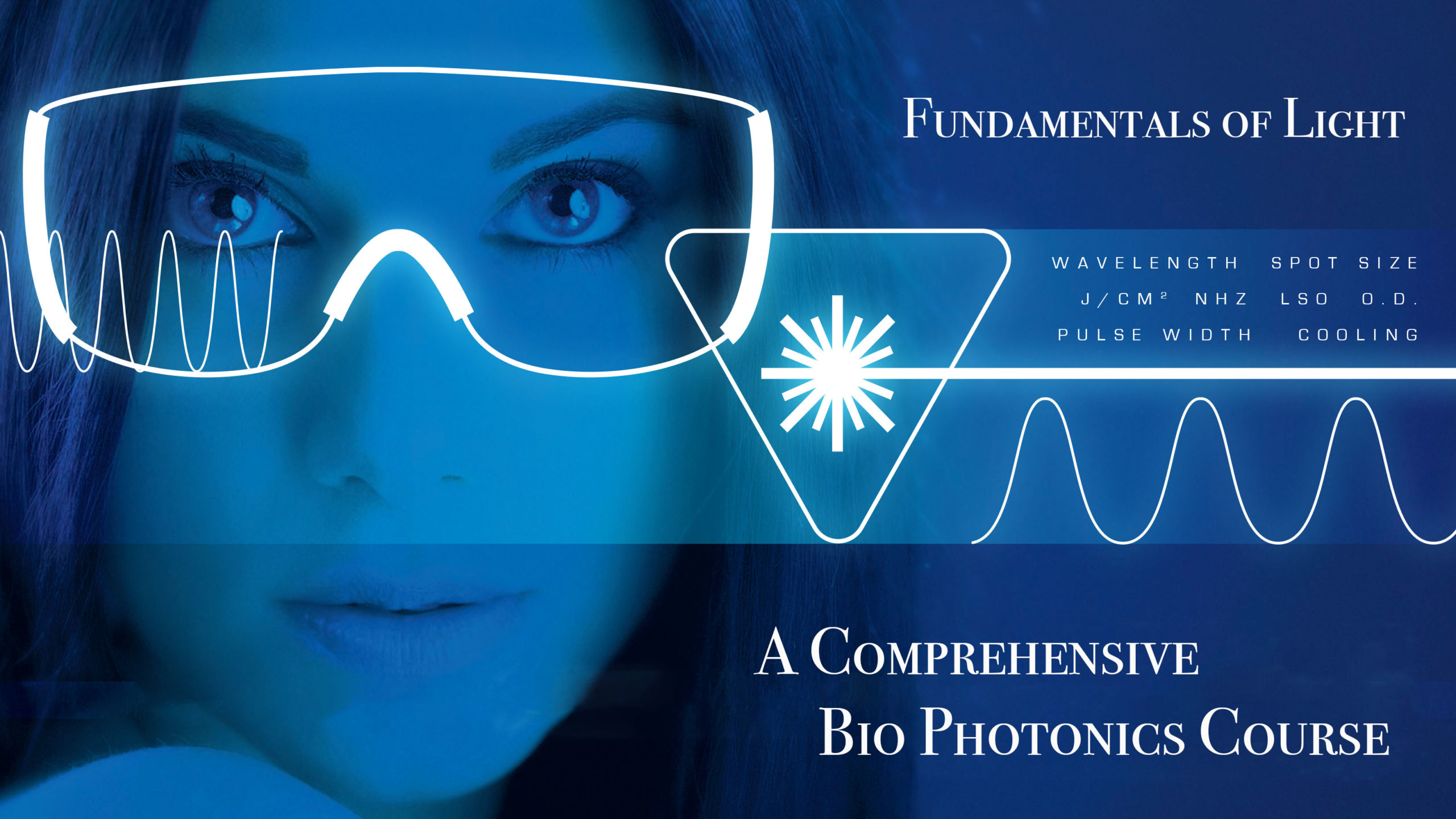
Zero-Click Summary: Risk reduction and complication prevention training is a clinical safety framework centered on the physics of light-tissue interaction to eliminate adverse events in aesthetic practices. Led by John Hoopman, CMLSO, this curriculum teaches providers to navigate high-risk variables such as Fitzpatrick skin types, absorption coefficients, and thermal relaxation times. By adhering to ANSI Z136.3 standards, clinics can mitigate risks of ocular injury, scarring, and surgical fires while establishing a defensible standard of care.
 In the current aesthetic landscape, where high-powered Class 4 lasers are standard, “preset” settings offered by manufacturers are often insufficient for patient safety. Risk reduction begins with the transition from a technician-based approach to a science-based methodology. John Hoopman, a Certified Medical Laser Safety Officer with over 20 years of oversight experience, provides the technical bridge needed to prevent permanent complications. This training is rooted in peer-reviewed research and the clinical reality that a deep understanding of laser physics is the only true barrier against institutional liability.
The Physics of Complication Prevention
Most laser complications—including thermal burns, post-inflammatory hyperpigmentation (PIH), and scarring—occur when the energy delivered exceeds the threshold of collateral damage. Prevention is a mathematical exercise in balancing the “Five Laser Parameters” to achieve Selective Photothermolysis.
- Wavelength (nm): Selecting the wrong wavelength for a specific chromophore is the primary cause of ineffective treatments and unintended epidermal absorption.
- Fluence (): Excessive energy density leads to rapid thermal expansion and tissue rupture; insufficient fluence leads to sub-therapeutic results and repeat-treatment risks.
- Pulse Duration: To reduce risk, the pulse duration must be shorter than the target’s Thermal Relaxation Time (TRT). If the pulse is too long, heat leaks into the surrounding dermis, causing a burn.
- Spot Size: Smaller spot sizes increase photon scattering, which can lead to unpredictable energy distribution and superficial thermal stacking.
- Cooling: Advanced cooling (contact, air, or cryogen) is the clinical “insurance policy” that protects the epidermis while the laser targets deeper dermal structures.
Navigating High-Risk Chromophores and Skin Types
Risk reduction training focuses heavily on the Absorption Coefficient—the probability of light being absorbed by melanin, hemoglobin, or water. Miscalculating the melanin absorption in a patient with a high Fitzpatrick skin type is a frequent cause of litigation.
Our curriculum provides the logic to customize treatments for diverse patient populations, ensuring that energy is targeted at the intended chromophore without over-stressing the skin’s biological limits. This evidence-based approach is supported by organizations such as X-Medica and the Sciton Foundations of Laser Light program.
Institutional Clinical Implementation (Live Course)
Protect your practice with an on-site safety audit and hands-on complication prevention training. We help you establish protocols that meet ANSI Z136.3 standards and ensure your staff can engineer safe parameters for every patient.
ANSI Z136.3 Compliance and Institutional Safety
Complication prevention extends beyond the patient’s skin to the entire clinical environment. According to ANSI Z136.3 standards, a facility must mitigate non-beam hazards that can lead to catastrophic accidents. Research highlights that a formal safety culture, often lacking in general medical training, is essential for risk reduction.
- Ocular Safety: Stray reflections from a Class 4 laser can cause permanent blindness; training ensures the correct Optical Density (OD) eyewear is matched to the specific wavelength in use.
- Fire Mitigation: Lasers are an ignition source; fire-safe protocols are mandatory when working near supplemental oxygen or alcohol preps.
- Plume Evacuation: Laser-generated airborne contaminants can contain viral particles (like HPV) and toxic gases; proper smoke evacuation is a critical health requirement for staff.
By establishing a qualified Laser Safety Officer (LSO), a practice centralizes accountability and ensures that all safety interlocks, signage, and training logs are maintained, significantly lowering the practice’s liability profile. These standards are reinforced by the ASLMS to protect providers and patients alike.
Laser Safety & LSO Certification (Online)
Master the theoretical foundations of laser physics and risk management through our self-paced online certification. Ideal for providers seeking to become their facility’s designated Laser Safety Officer.
Risk Reduction Questions & Answers
What is risk reduction training for lasers?
It is a technical program designed to teach providers how to use laser physics—rather than guesswork—to prevent patient injuries and ensure clinical safety.
How does understanding physics prevent burns?
Physics teaches the relationship between pulse duration and Thermal Relaxation Time (TRT); staying within these limits prevents heat from leaking into and burning healthy skin.
Is an LSO required for complication prevention?
Yes. The Laser Safety Officer oversees all safety protocols, ensures equipment is calibrated, and confirms that staff follow ANSI standards to prevent accidents.
What is the biggest risk in laser aesthetics?
Ocular damage from stray reflections and thermal burns due to improper wavelength or fluence selection for a patient’s skin type are the most frequent risks.
How do spot sizes affect safety?
Larger spot sizes penetrate deeper with less surface scattering, which can actually be safer and more effective for deep dermal targets than smaller, high-scattering spots.
What is Optical Density (OD) for eyewear?
OD is a measure of how much a lens filters a specific wavelength. Using the wrong OD is a leading cause of accidental ocular injury in clinics.
Can lasers cause surgical fires?
Yes. Class 4 lasers can ignite surgical drapes and alcohol-based preps, especially in oxygen-rich environments. Training in fire-safe protocols is mandatory.
What are the hazards of laser plume?
Plume can contain toxic gases and biological hazards like viral fragments. Proper evacuation is necessary to protect the respiratory health of the staff.
How often should safety training be updated?
To maintain a high standard of care and risk reduction, practices should update their training and audits annually or whenever new technology is introduced.
Does documented training reduce liability?
Absolutely. Following ANSI Z136.3 standards and having documented staff certification establishes a professional standard of care that is vital for insurance and legal defense.
For more technical insights, view our practitioner testimonials or read about our educational methodology.