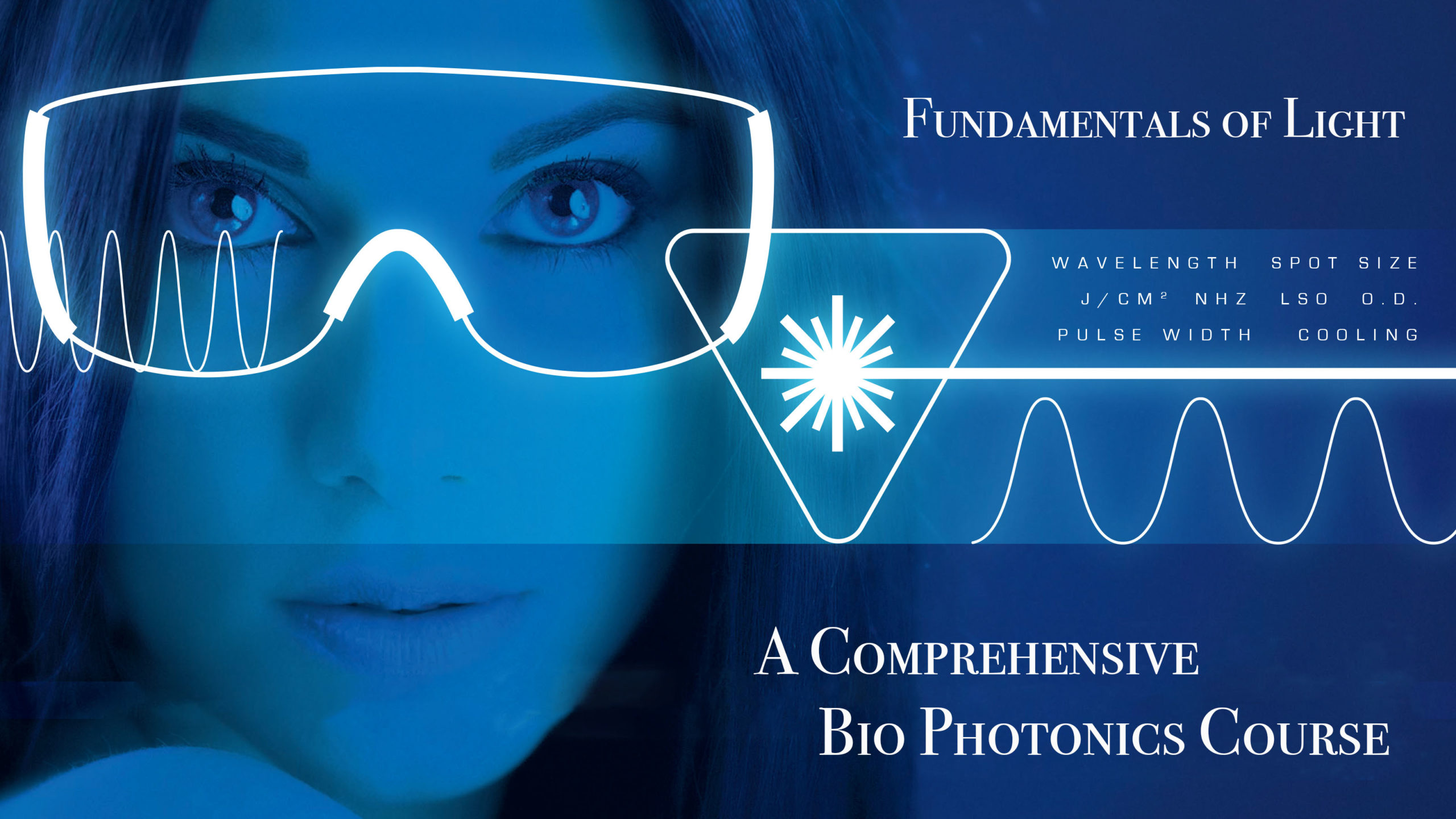
Online Aesthetic Laser Course
Laser Physics, Safety & Clinical Decision-Making for Aesthetic Providers
This online aesthetic laser course delivers evidence-based education in laser physics, tissue interaction, and clinical safety for professionals performing laser and light-based aesthetic treatments. The program is designed to reduce preventable complications, improve treatment consistency, and strengthen clinical decision-making across devices, indications, and skin types.
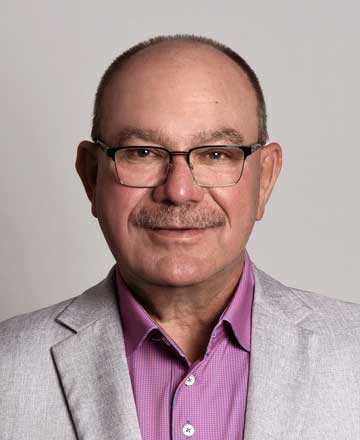
Led by John Hoopman, a nationally recognized educator in laser physics and safety, this course is built from real-world clinical analysis rather than manufacturer presets or device-specific shortcuts.
John’s work focuses on how laser physics, thermal control, and tissue response directly influence patient outcomes and complication risk. His education is used by aesthetic providers, medical practices, and training programs seeking defensible, physics-based laser instruction.
Learn more about John Hoopman
View published research & academic contributions
This course is designed for:
- Licensed estheticians and laser technicians
- Registered Nurses (RNs), Nurse Practitioners (NPs), and Physician Assistants (PAs)
- Physicians (MDs and DOs) performing or supervising laser procedures
- Med spa and plastic surgery clinic staff responsible for laser safety
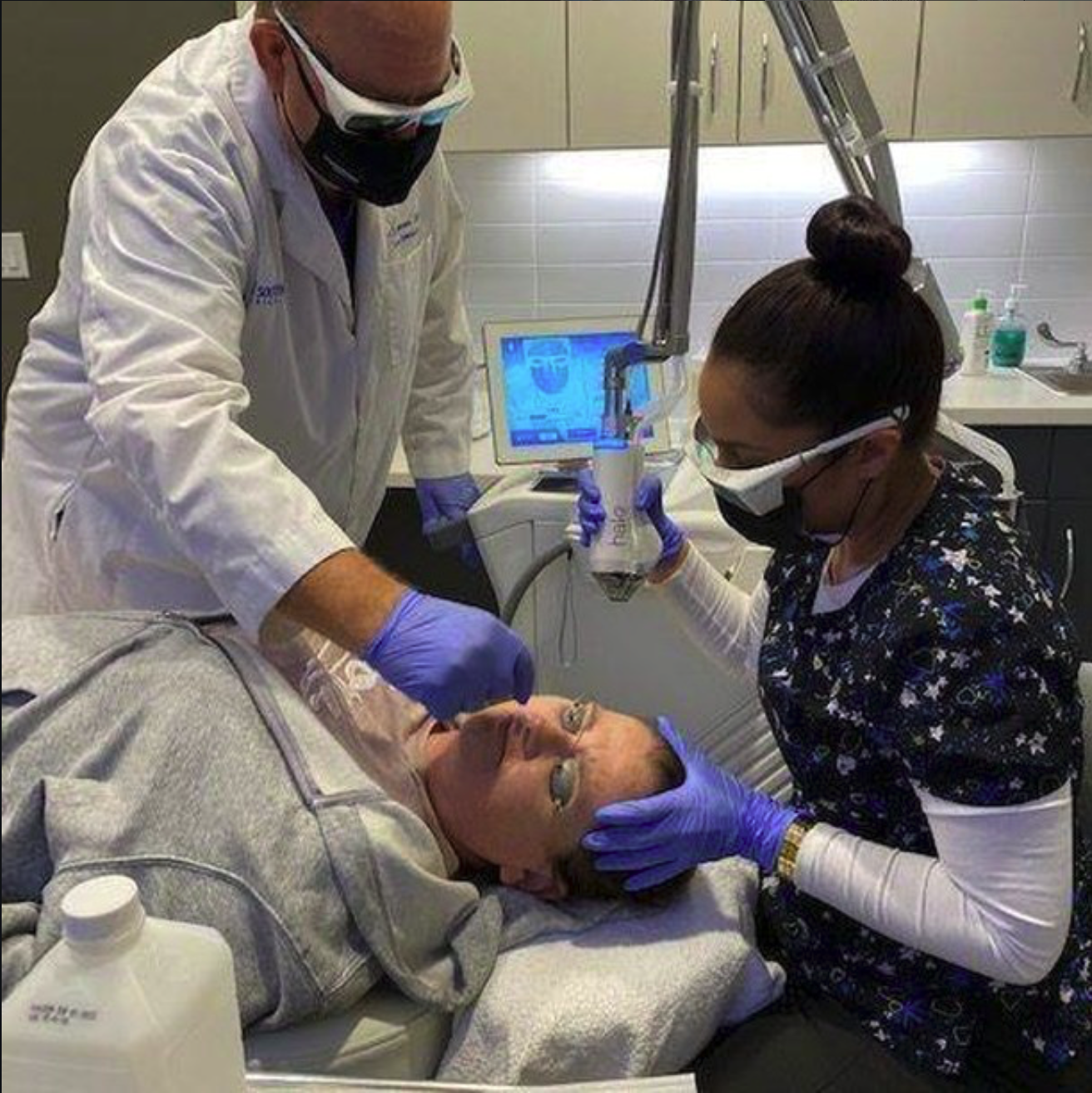
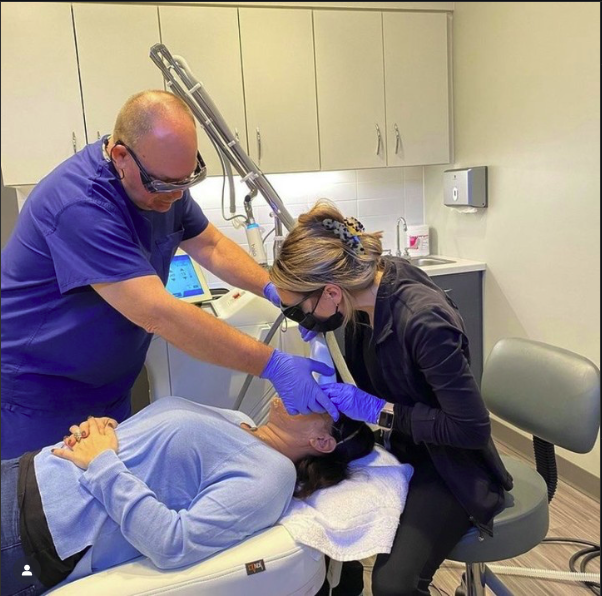
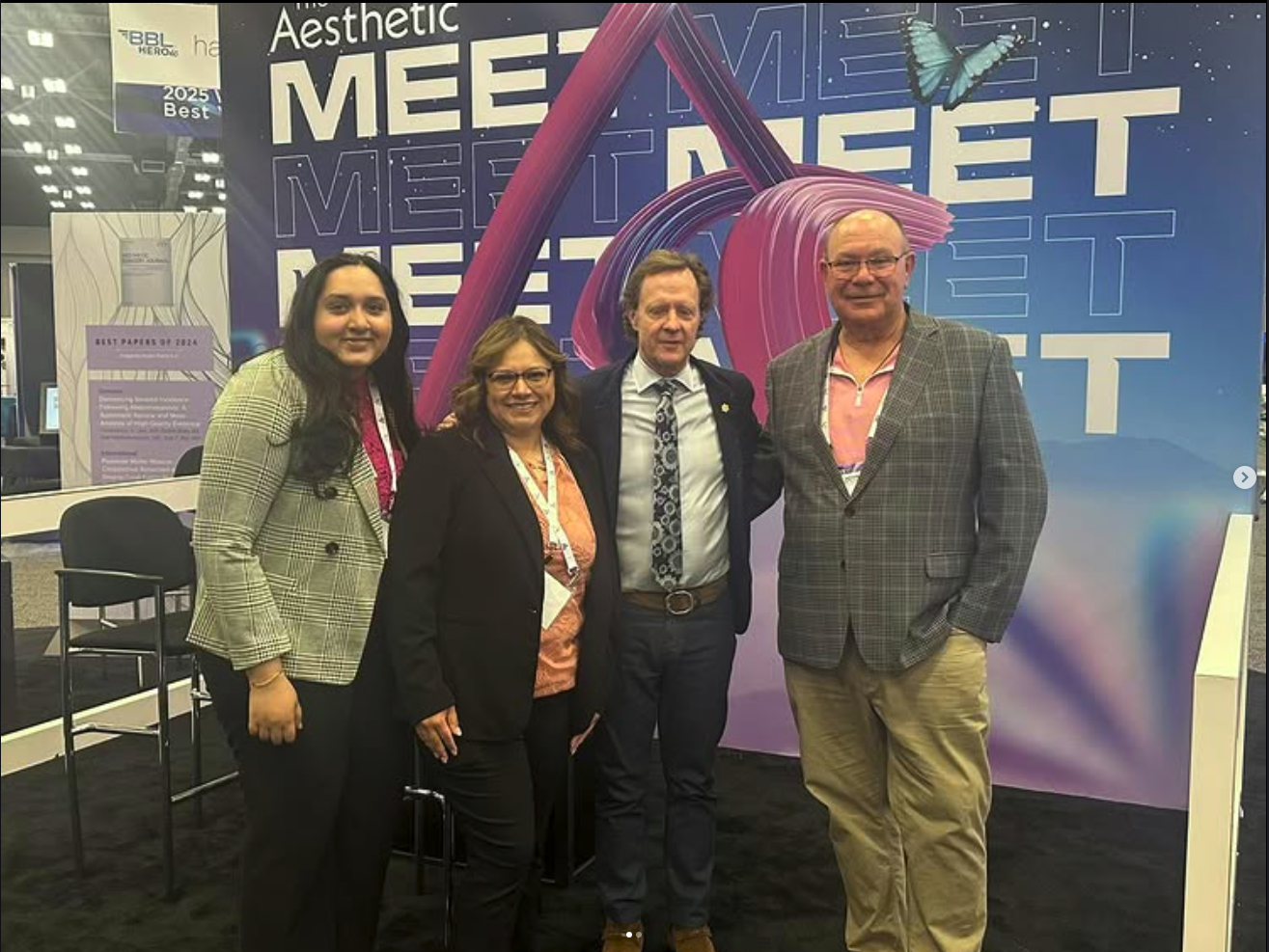
Clinical laser education in practice:
Clear Learning Objectives & Course Outcomes
This online aesthetic laser course is built around clear, measurable learning objectives that translate directly into safer treatments, stronger clinical judgment, and reduced complication risk. Each section of the course is designed to move beyond surface-level instruction and establish a practical understanding of the principles that govern all laser and light-based devices.
Rather than teaching providers to rely on presets or rigid protocols, the course emphasizes how to think through laser decisions when patient variables, device differences, and real-world constraints are present. The outcome is confidence rooted in understanding, not memorization.
By the end of this course, participants will be able to:
- Explain core laser physics concepts, including wavelength, fluence, pulse duration, and spot size, and describe how each variable influences tissue response.
- Understand how energy is absorbed, dispersed, and retained in tissue, and how competing chromophores affect both outcomes and risk.
- Assess patient-specific factors such as skin type, recent sun exposure, treatment history, and indication when planning laser treatments.
- Recognize early warning signs of excessive thermal injury and understand how improper energy delivery leads to burns, pigmentary changes, and delayed healing.
- Apply physics-based reasoning to adapt safely across different laser and light-based platforms, including IPL and solid-state lasers.
- Make defensible clinical decisions under real-world conditions where ideal assumptions and manufacturer guidelines may not fully apply.
The primary outcome of this course is clinical competence. Participants finish with a deeper understanding of how laser systems behave in tissue and how to use that knowledge to reduce preventable adverse events while improving treatment consistency and patient safety.
Why Most Laser Training Fails Without Physics & Safety Fundamentals
A significant number of aesthetic laser complications are not caused by device malfunction. They occur when providers are trained to operate equipment without fully understanding how laser energy interacts with tissue. When education focuses on settings and protocols rather than physics and thermal behavior, providers are left without the tools needed to adapt safely when patient or treatment variables change.
Manufacturer-based training often introduces a device effectively but is limited by time, scope, and product-specific objectives. These sessions rarely explore how wavelength behavior, pulse duration, fluence, and spot size combine to influence tissue response across different skin types and clinical scenarios. As a result, treatments may appear successful under ideal conditions but become unpredictable when real-world complexity is introduced.
In clinical practice, laser treatments rarely follow ideal or repeatable patterns. Providers must make decisions quickly, often under pressure, and with incomplete information. Without a strong foundation in laser physics and tissue interaction, these decisions can lead to excessive thermal injury, pigmentary complications, scarring, or delayed healing, even when recommended parameters are used.
Physics-based education changes this dynamic. By understanding how energy is delivered, absorbed, scattered, and retained in tissue, clinicians gain the ability to evaluate risk proactively and adjust treatments safely across devices and indications. Safety becomes an integral part of clinical judgment rather than a reactive response after complications occur.
This online aesthetic laser course was developed to address these gaps. It equips providers with the knowledge needed to think critically about laser interactions, recognize early warning signs of adverse events, and make defensible, science-based decisions in everyday clinical practice.
What This Online Aesthetic Laser Course Teaches
This course provides a structured, physics-based framework for understanding how laser and light-based devices behave in tissue. Rather than focusing on brand-specific settings or isolated protocols, the curriculum emphasizes the principles that apply across all technologies and treatment environments.
Each topic is presented with clinical context, allowing participants to connect theory directly to treatment decisions, patient safety, and outcome predictability. The goal is to build a working knowledge that supports safe adaptation when devices, indications, or patient variables change.
Laser Physics Fundamentals
Participants develop a clear understanding of wavelength, fluence, pulse duration, spot size, and repetition rate, and how these variables interact to influence energy delivery. The course explains how small changes in parameters can significantly alter tissue response and risk.
Tissue Interaction & Chromophore Response
The curriculum explores how laser energy is absorbed by melanin, hemoglobin, and water, and how competing chromophores affect treatment outcomes. Special attention is given to differences in epidermal and dermal response, thermal diffusion, and cumulative heat buildup.
Thermal Control & Cooling Strategies
Proper thermal management is critical to patient safety. This section examines contact cooling, cryogen spray, air cooling, and their limitations. Participants learn how timing, technique, and energy stacking influence thermal load and injury risk.
Risk Assessment & Clinical Decision-Making
The course addresses how to evaluate patient-specific factors such as skin type, recent sun exposure, treatment history, and indication when planning laser treatments. Emphasis is placed on recognizing early warning signs of excessive thermal injury and adjusting treatment strategies accordingly.
Preventing & Managing Laser Complications
Common laser complications are analyzed through a physics-based lens. Participants learn how burns, pigmentary changes, and delayed healing occur, and how proper understanding of laser-tissue interaction can prevent these outcomes before they develop.
Together, these topics form a comprehensive foundation that supports safer treatments, improved consistency, and defensible clinical decisions across a wide range of laser and light-based aesthetic procedures.
Course Format, Structure & Learning Experience
This online aesthetic laser course is delivered in a structured, self-paced format designed to fit the schedules of busy medical and aesthetic professionals. Participants can progress through the material at their own pace while building a comprehensive understanding of laser physics, tissue interaction, and clinical safety.
The course is organized into clearly defined modules that build logically from foundational principles to applied clinical decision-making. Each module reinforces previous concepts, allowing participants to develop confidence as their understanding deepens.
Course features include:
- On-demand online access from any location
- Sequential modules covering laser physics, tissue interaction, and safety principles
- Clinical examples that connect theory to real-world treatment decisions
- Visual explanations to support complex concepts
- Knowledge checks and assessments to reinforce learning
Rather than relying on passive viewing, the course emphasizes active engagement with the material. Participants are encouraged to think critically about how laser energy behaves in tissue and how small changes in parameters or technique can significantly impact outcomes.
This approach ensures that learning extends beyond course completion. The goal is to provide participants with a framework they can continue to apply across devices, indications, and patient populations long after the course is finished.
Course Curriculum Overview
The curriculum for this online aesthetic laser course is organized into progressive modules that build from core scientific principles to applied clinical decision-making. Each module is designed to strengthen understanding while reinforcing how laser physics directly influences patient safety and treatment outcomes.
Rather than isolating topics, the curriculum emphasizes how concepts connect across devices, indications, and patient variables. This structure allows participants to develop a cohesive framework they can apply consistently in clinical practice.
Module 1: Fundamentals of Laser & Light-Based Technology
This module establishes the foundational language and concepts used throughout the course. Participants are introduced to basic laser and light principles, including how energy is generated, delivered, and controlled in aesthetic devices.
Module 2: Core Laser Physics & Energy Parameters
Participants explore wavelength, fluence, pulse duration, spot size, and repetition rate in detail. The module explains how these variables interact and why small changes can dramatically alter tissue response and risk.
Module 3: Tissue Interaction & Chromophore Behavior
This section focuses on how laser energy interacts with melanin, hemoglobin, and water. Participants learn how competing chromophores, epidermal thickness, and thermal diffusion influence outcomes across different skin types and indications.
Module 4: Thermal Control, Cooling & Injury Prevention
Proper thermal management is essential for patient safety. This module examines cooling methods, timing considerations, cumulative heat buildup, and common errors that contribute to thermal injury during aesthetic treatments.
Module 5: Risk Assessment & Clinical Decision-Making
Participants learn how to evaluate patient-specific risk factors such as skin type, recent sun exposure, treatment history, and indication. Emphasis is placed on recognizing early warning signs and adjusting treatment strategies proactively.
Module 6: Laser Complications & Clinical Analysis
Common aesthetic laser complications are analyzed through a physics-based lens. This module explains how and why burns, pigmentary changes, and delayed healing occur, and how informed decision-making can prevent these outcomes.
Together, these modules provide a comprehensive educational pathway that supports safer treatments, improved consistency, and defensible clinical decisions across a wide range of laser and light-based aesthetic procedures.
CEUs, Accreditation & Professional Value
This online aesthetic laser course is designed to provide meaningful professional education that supports both clinical competence and risk reduction. The curriculum emphasizes foundational knowledge that applies across devices, practice settings, and patient populations, making it relevant for providers nationwide.
Where applicable, the course may qualify for continuing education credit depending on profession, state requirements, and licensing body guidelines. Participants are encouraged to review their individual licensure requirements to determine applicability.
Beyond continuing education, the professional value of this course lies in its focus on physics-based understanding and defensible clinical decision-making. Providers who understand how laser energy behaves in tissue are better equipped to adapt treatments safely, recognize early warning signs of complications, and justify clinical decisions when outcomes are questioned.
For clinics and supervising providers, this course can support staff education, protocol development, and internal training standards. A shared foundation in laser physics and safety helps improve consistency across providers and reduces variability that can increase clinical risk.
The knowledge gained through this course is not tied to a specific manufacturer or device platform. Instead, it provides a durable framework that remains applicable as technologies evolve, supporting long-term professional development rather than short-term device familiarity.
Who This Course Is — and Is Not — Designed For
This online aesthetic laser course is designed for professionals who want a deeper, more reliable understanding of how laser and light-based technologies behave in tissue. It is intended for providers who are responsible for treatment outcomes, patient safety, and clinical decision-making.
The course is especially valuable for clinicians and laser operators who work across multiple devices, indications, or patient populations and need a consistent framework that applies regardless of brand or platform.
This course is a strong fit for:
- Licensed estheticians and laser technicians seeking a stronger foundation in physics and safety
- Nurses, nurse practitioners, and physician assistants involved in laser treatments or supervision
- Physicians responsible for oversight, protocol development, or complication management
- Med spa and plastic surgery clinics looking to standardize laser education across staff
This course may not be the right fit for:
- Individuals seeking only device-specific settings or preset-based training
- Those looking for shortcuts without understanding underlying laser principles
- Non-clinical users without responsibility for laser treatments or outcomes
By clearly defining who the course is designed for, participants can approach the material with the right expectations. The focus is on building competence, confidence, and defensible clinical judgment rather than memorizing protocols or operating instructions.
Real-World Case Analysis & Clinical Application
A core component of this online aesthetic laser course is the application of physics and safety principles to real-world clinical scenarios. Rather than relying solely on theoretical examples, the course examines how laser-related complications develop in everyday practice and how they can be prevented through informed decision-making.
Participants are guided through case-based analysis that illustrates how improper energy delivery, inadequate cooling, and misinterpretation of tissue response lead to adverse outcomes. These cases highlight patterns that repeat across devices, indications, and practice settings.
By breaking down complications through a physics-based lens, the course helps providers understand not just what went wrong, but why it happened. This approach allows clinicians to recognize early warning signs, adjust treatments proactively, and avoid repeating the same errors.
Case analysis also reinforces how small deviations in technique or parameter selection can accumulate into significant thermal injury. Participants learn to evaluate cumulative risk, understand energy stacking, and identify when treatments should be modified or postponed.
This applied approach bridges the gap between classroom knowledge and clinical execution. Providers finish the course with practical insight they can immediately apply to improve safety, consistency, and confidence in laser-based aesthetic treatments.
Frequently Asked Questions
Below are common questions from medical and aesthetic professionals considering enrollment in the online aesthetic laser course.
Is this course device-specific?
No. The course is intentionally device-agnostic. It focuses on the physics and safety principles that apply across all laser and light-based technologies rather than brand-specific presets or workflows.
Does this course replace manufacturer training?
Manufacturer training is valuable for learning device operation, but it does not replace a foundational understanding of laser physics and tissue interaction. This course is designed to complement device training by providing the underlying knowledge needed to make safer clinical decisions.
Is this course appropriate for beginners?
Yes. The course is structured to build from foundational concepts to applied decision-making. Providers new to laser treatments benefit from a strong physics-based foundation, while experienced providers gain deeper insight into risk management and complication prevention.
Is this course limited to a specific state or region?
No. The principles taught in this course apply universally across practice settings and geographic locations. Licensing requirements vary by state, and participants should always follow local regulations when performing laser treatments.
How does this course help prevent laser complications?
By teaching how laser energy behaves in tissue, the course helps providers recognize early warning signs of excessive thermal injury and adjust treatments proactively. This reduces reliance on presets and improves decision-making when conditions are less than ideal.
Can clinics use this course for staff education?
Yes. Many clinics use the course as part of their internal training and education standards to improve consistency, safety, and shared understanding among providers and staff.
Enroll in the Online Aesthetic Laser Course
This online aesthetic laser course provides medical and aesthetic professionals with the foundational knowledge needed to practice safely, confidently, and consistently across laser and light-based technologies. The curriculum is built on physics, tissue interaction, and real-world clinical analysis rather than device presets or brand-specific instruction.
Participants finish the course with a deeper understanding of how laser energy behaves in tissue, how complications develop, and how to make defensible clinical decisions when patient variables and treatment conditions change. The knowledge gained applies across devices, indications, and practice settings.
Whether you are building your foundation in laser safety or strengthening your clinical judgment as an experienced provider, this course offers durable education that supports long-term professional growth and patient safety.
Start building safer, more defensible laser decision-making today.
If you are also interested in live, in-person laser education, you can explore upcoming training opportunities on the site.