Light–Tissue Interaction Training
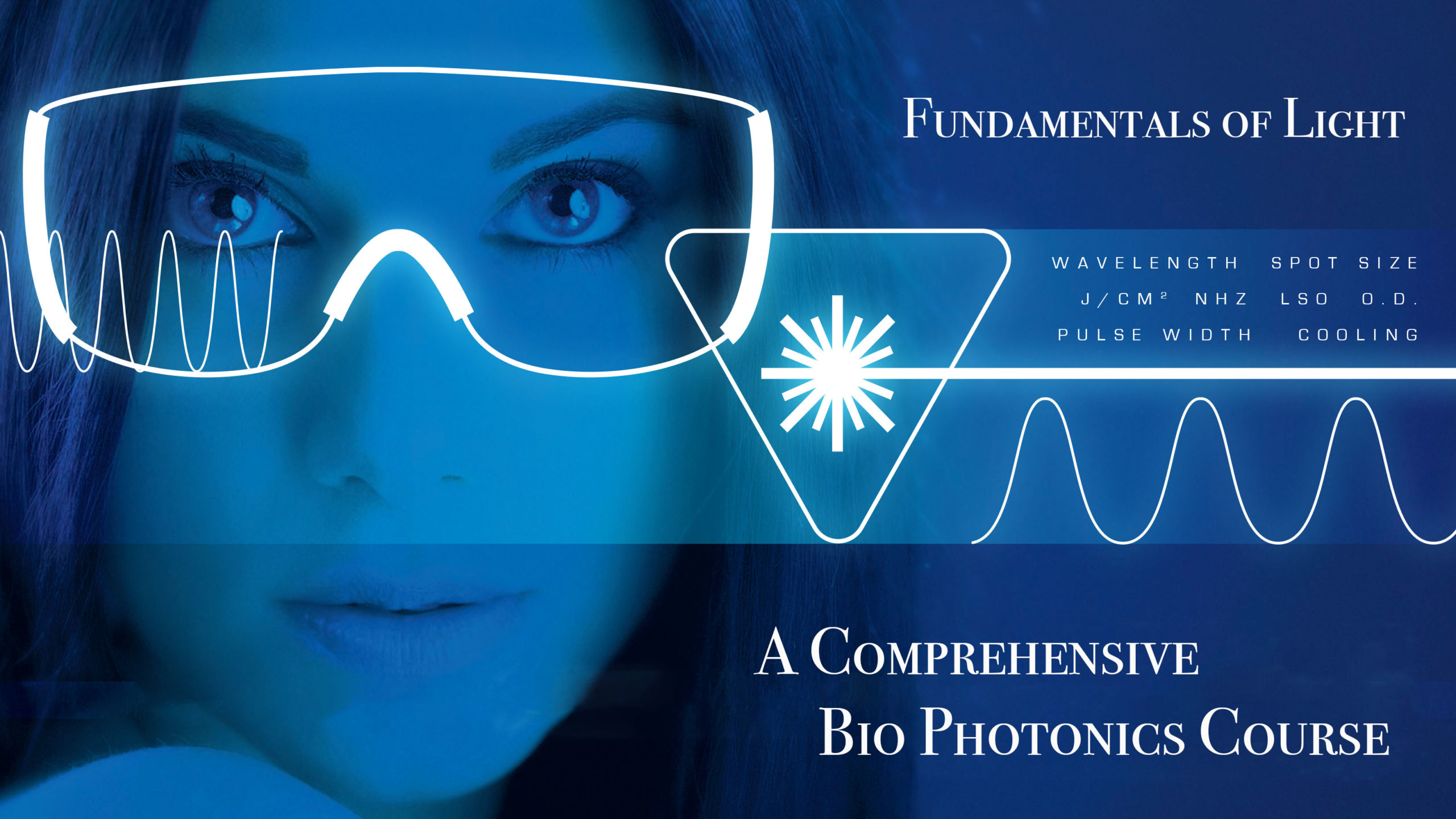
Zero-Click Summary: Light–tissue interaction training is the specialized clinical study of how laser energy behaves when it encounters biological structures. Guided by John Hoopman, CMLSO, this training focuses on mastering the “Five Laser Parameters” and the principle of Selective Photothermolysis. By understanding these physics, aesthetic providers can accurately predict clinical outcomes, minimize thermal damage, and ensure strict compliance with ANSI Z136.3 safety standards.
 In professional aesthetic medicine, practitioners must move beyond simply pushing buttons on a device. True clinical mastery requires a deep, scientific understanding of how coherent light energy is absorbed, scattered, or reflected by the skin. John Hoopman, a Certified Medical Laser Safety Officer with over 20 years of experience, provides an academic bridge between raw laser physics and real-world clinical application. Through peer-reviewed methodologies and translational research, this training ensures that every laser pulse is delivered with precision and safety.
The Core Mechanism: Selective Photothermolysis
The foundation of all light–tissue interaction is Selective Photothermolysis. This principle dictates that a specific target—known as a chromophore—can be thermally destroyed without damaging the surrounding healthy tissue.
To achieve this “selective” destruction, the clinician must balance specific variables to ensure that the heat remains contained within the target:
- Wavelength (nm): The specific color of light that determines which chromophore will absorb the energy and how deep that energy will penetrate the dermis.
- Fluence (): The energy density required to reach the “thermal threshold” of the target to cause permanent change without excessive collateral damage.
- Pulse Duration (ms/ns): The duration of light exposure, which must be shorter than the target’s Thermal Relaxation Time (TRT) to prevent heat from leaking into the surrounding skin.
- Spot Size (mm): The diameter of the laser beam; larger spot sizes are essential for reaching deeper targets by reducing the “scattering” effect of photons.
- Cooling: Critical protective measures (contact, cryogen, or air) that preserve the epidermis while allowing the target to reach the necessary temperature.
Understanding Chromophores and Absorption
In aesthetic training, we focus on the three primary chromophores that absorb laser energy: Melanin, Hemoglobin, and Water. Successful interaction depends on the Absorption Coefficient—the mathematical likelihood of light being absorbed by these targets.
If the interaction is miscalculated, the consequences can be severe. For example, using a wavelength with a high affinity for melanin on a dark Fitzpatrick skin type can lead to second-degree burns. This training provides the physics-based logic to navigate high-risk treatments safely. Such expertise is why John Hoopman is a trusted partner for industry leaders like Sciton Foundations and X-Medica.
Live Clinical Implementation Training
Bring an academic audit and hands-on physics training directly to your facility. We focus on your specific device inventory to ensure your entire staff masters the interaction parameters required for clinical excellence and ANSI Z136.3 compliance.
Physics-Based Risk Mitigation
Light–tissue interaction is not without risk. According to ANSI Z136.3 standards, healthcare facilities must implement specific engineering and administrative controls to protect both the patient and the operator. Proper training bridges the educational gap often found in traditional medical residencies.
Essential safety interactions include:
- Nominal Hazard Zones (NHZ): Scientifically defining the space where laser radiation is hazardous.
- Optical Density (OD): Calculating the exact level of wavelength-specific eye protection required.
- Plume Physics: Understanding how tissue vaporization creates hazardous airborne contaminants that require specialized evacuation systems.
Practitioners who master these interactions gain the “optical intuition” necessary to recognize hazards before they result in injury. This commitment to safety is recognized by the ASLMS and other professional medical bodies.
Online Physics & LSO Certification
Master the theoretical foundations of light–tissue interaction, laser-generated airborne contaminants, and Laser Safety Officer (LSO) responsibilities through our structured, self-paced online certification.
Light–Tissue Interaction Questions & Answers
What is light–tissue interaction training?
It is the clinical study of how different laser wavelengths interact with skin chromophores like melanin and water to produce therapeutic results while avoiding collateral damage.
What are the four ways light interacts with tissue?
Light energy can be absorbed (the goal of treatment), reflected (a safety hazard), scattered (limiting depth), or transmitted (passing through without effect).
Why is Selective Photothermolysis important?
It allows the clinician to target specific structures, such as a hair follicle or a vessel, without burning the surrounding healthy skin.
What is Thermal Relaxation Time (TRT)?
TRT is the time it takes for a target to lose half of its heat. To be safe, the laser pulse must be shorter than the target’s TRT.
How does wavelength determine depth?
Generally, longer wavelengths (like 1064nm) penetrate deeper into the skin than shorter wavelengths (like 532nm), which are absorbed more superficially.
What is the hazard of laser reflection?
Reflected light can retain enough power to cause permanent retinal damage or ignite surgical materials, making wavelength-specific eyewear and non-reflective tools mandatory.
Is an LSO required for laser treatments?
Yes. ANSI standards require a designated Laser Safety Officer to oversee all light–tissue interaction protocols and staff safety training.
What is the importance of spot size?
A larger spot size allows photons to travel deeper into the tissue with less scattering, making it more effective for reaching deep dermal targets.
What is laser plume?
Plume is the vaporized tissue created during interaction. It can contain harmful chemicals and viral particles, requiring specialized evacuation systems.
Does training help with clinical liability?
Yes. Formal education in laser physics and interaction reduces the risk of adverse events and provides a documented standard of care for insurance and regulatory compliance.
For more technical insights, view our practitioner testimonials or read more about our methodology.