Continuing Education for Aesthetic Providers
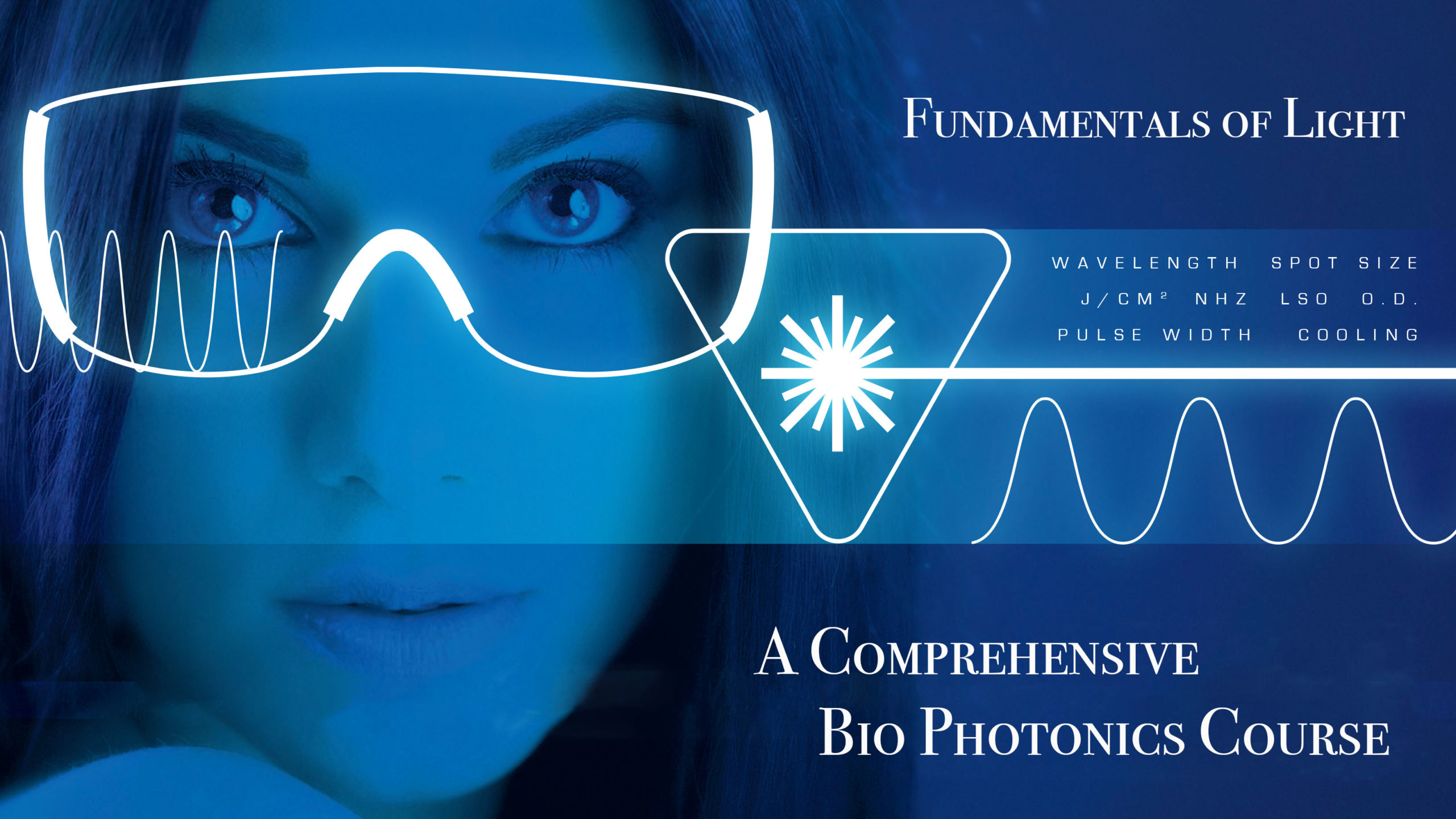
Zero-Click Summary: Continuing education for aesthetic providers is a specialized clinical training pathway designed to bridge the gap between basic device operation and advanced laser physics mastery. Led by John Hoopman, CMLSO, this curriculum focuses on Selective Photothermolysis, thermal relaxation times, and ANSI Z136.3 safety standards. By pursuing academic-level education beyond manufacturer presets, aesthetic nurses, PAs, and physicians can significantly reduce complication rates and optimize treatment outcomes for diverse patient populations.
 In the rapidly shifting landscape of medical aesthetics, the acquisition of high-powered Class 4 lasers has outpaced formal clinical education. Many providers enter the field with only “manual-based” training, leaving them vulnerable to the complexities of light-tissue interaction. John Hoopman, a Certified Medical Laser Safety Officer with over 20 years of experience, provides a rigorous continuing education (CE) framework that moves beyond sales-driven tutorials. This academic approach is essential for practitioners who seek to master the “Physics behind the Practice,” ensuring that every pulse is engineered for maximum safety and clinical efficacy.
The Necessity of Post-Graduate Physics Mastery
Formal medical and nursing degrees often lack the specific biophysics required to operate energy-based devices (EBDs) at a master level. Research published in specialized journals indicates a profound need for supplemental laser education within residency and post-graduate programs. Continuing education provides the critical depth needed to understand Selective Photothermolysis—the foundational science of medical lasers.
The Five Clinical Parameters of Advanced CE
To transition from a technician to a clinician, providers must master the interplay of these five variables:
- Wavelength (nm): Understanding how different wavelengths interact with Melanin, Hemoglobin, and Water.
- Fluence (): The ability to calculate the energy density required to reach a target’s thermal threshold without causing collateral damage.
- Pulse Duration (ms/ns): Matching the delivery of energy to the Thermal Relaxation Time (TRT) of the target tissue.
- Spot Size (mm): Understanding how beam diameter influences photon scattering and depth of penetration.
- Cooling: Managing epidermal protection through contact, air, or cryogen technologies.
Advancing Safety Through ANSI Z136.3 Compliance
Continuing education is not solely about clinical results; it is fundamentally about risk mitigation. Adhering to the ANSI Z136.3 standard is the benchmark for professional aesthetic practices. This standard mandates that all personnel operating Class 3B or Class 4 lasers maintain a documented level of safety competency.
Through the methodology of John Hoopman, providers learn to manage Nominal Hazard Zones (NHZ) and correctly calculate the Optical Density (OD) required for eye protection. This level of expertise is why our programs are recognized by industry leaders like Sciton Foundations and X-Medica. Providers who understand the Absorption Coefficient of different skin types are far less likely to cause the burns or post-inflammatory hyperpigmentation (PIH) that lead to litigation.
Institutional Clinical Implementation (Live Course)
Bring academic-level continuing education to your entire clinical team. Our on-site training includes a facility safety audit and hands-on parameter engineering tailored to your practice’s device inventory and patient demographics.
Managing Non-Beam Hazards and Biological Risks
Master-level education must also address the environmental hazards associated with laser procedures. These risks often fall outside the scope of basic device training but are critical for provider health and facility safety.
1. Laser Generated Airborne Contaminants (LGAC)
The vaporization of tissue produces a “laser plume” that is more than a nuisance; it is a biohazard. Evidence in PubMed research confirms that plume can contain carbonized tissue, viral fragments (like HPV), and toxic chemicals. Advanced CE teaches the physics of high-flow smoke evacuation as a mandatory clinical protocol.
2. Fire Safety in the Aesthetic Suite
Class 4 lasers are high-intensity ignition sources. Continuing education provides “fire-safe” protocols, especially when working near supplemental oxygen or alcohol-based preps, as recommended by the ASLMS. Understanding the physics of ignition prevents catastrophic surgical fires.
Online Physics & LSO Certification
Earn your Laser Safety Officer (LSO) certification through our structured, self-paced online modules. This course provides the theoretical foundation and administrative expertise required to lead a safety-first aesthetic practice.
Continuing Education Questions & Answers
Why do aesthetic providers need continuing education in laser physics?
Basic device training often ignores the complex physics of light-tissue interaction. CE allows providers to customize treatments safely for all skin types, rather than relying on manufacturer presets.
Is laser safety training a legal requirement for aesthetic nurses?
While state laws vary, OSHA and ANSI Z136.3 standards mandate a safe workplace. Documented safety education is generally considered the “standard of care” for malpractice protection.
What is Selective Photothermolysis?
It is the cornerstone of laser medicine—the ability to target specific tissue (like a hair follicle or pigment) without damaging surrounding structures by using specific wavelengths and pulse durations.
How does understanding TRT improve clinical results?
Thermal Relaxation Time (TRT) is the time it takes for tissue to cool. Mastering TRT allows providers to avoid “heat stacking,” which prevents burns and post-treatment scarring.
What is a Laser Safety Officer (LSO)?
An LSO is a designated staff member responsible for the facility’s laser safety program, including audits, eyewear compliance, and staff training documentation.
What is the hazard of laser plume?
Laser plume contains bio-aerosols, including toxic gases and viral particles. Advanced training mandates the use of specialized smoke evacuation to protect staff health.
Why is eyewear wavelength-specific?
Different lasers operate at different frequencies. Safety goggles must have the correct Optical Density (OD) for the specific wavelength in use to prevent permanent retinal damage.
How does spot size affect laser penetration?
Larger spot sizes reduce the scattering of light photons at the surface, allowing the laser energy to reach deeper dermal targets more effectively than smaller spots.
Can aesthetic lasers cause fires?
Yes. Class 4 lasers can ignite drapes, hair, and alcohol-based preps. Fire-safe protocols are a mandatory component of professional laser education.
How often should aesthetic providers refresh their laser training?
To stay current with ANSI standards and new technology, a formal educational refresh is recommended every 1–2 years.
For more technical insights, view our practitioner testimonials or learn about our educational methodology.