John Hoopman

John began his clinical career at The University of Texas Southwestern Medical Center in Dallas in 1998, managing a 225-laser program that served multiple surgical and medical specialties for more than two decades. Nationally recognized for patient safety and laser education, he continues to research, publish, and teach through his work with ANSI, ASLMS, ASAPS, and the Laser Institute of America.

The Competitive Advantage: Standardizing Laser Safety for Multi-Location Clinics

The Competitive Advantage: Standardizing Laser Safety for Multi-Location Clinics Executive Summary: For Multi-Site Operators (MSOs) and Dental or Dermatology Service Organizations (DSOs), scaling clinical operations demands more than operational efficiency. It requires a centralized, standardized approach to laser safety. Fragmented, location-specific protocols create institutional liability, inconsistent outcomes, and brand risk. A unified safety architecture grounded in ANSI Z136.3 allows multi-location clinics to maintain clinical consistency, reduce exposure, and protect enterprise value. As an aesthetic practice […]

The Competitive Advantage: Standardizing Laser Safety for Multi-Location Clinics Read More »
The Invisble Threat: Manging Laser Plume and Staff Health

The Fitzpatrick IV–VI Safety Logic: Why Presets Fail Zero-Click Summary: Treating Fitzpatrick skin types IV, V, and VI requires a departure from manufacturer presets in favor of advanced parameter engineering. By mastering the absorption coefficients of melanin and the Thermal Relaxation Time (TRT) of the epidermis, providers can prevent catastrophic burns and post-inflammatory hyperpigmentation (PIH). This post explores the biophysics of treating skin of color and the necessity of ANSI Z136.3 compliant safety protocols led

The Invisble Threat: Manging Laser Plume and Staff Health Read More »

Avoiding Holiday Rush Mistakes in Laser Practice

Avoiding Holiday Rush Mistakes in Laser Practice End-of-year demand fills schedules quickly. Patients want visible results before travel, events, and photos. Clinics extend hours and stack appointments. Volume increases. Pressure follows. This is when preventable laser complications are most likely to occur. This guide outlines how to keep treatments safe, consistent, and defensible when calendars are full. Every recommendation is grounded in the same laser physics and safety principles used year-round, reinforced through real-world clinical

Avoiding Holiday Rush Mistakes in Laser Practice Read More »

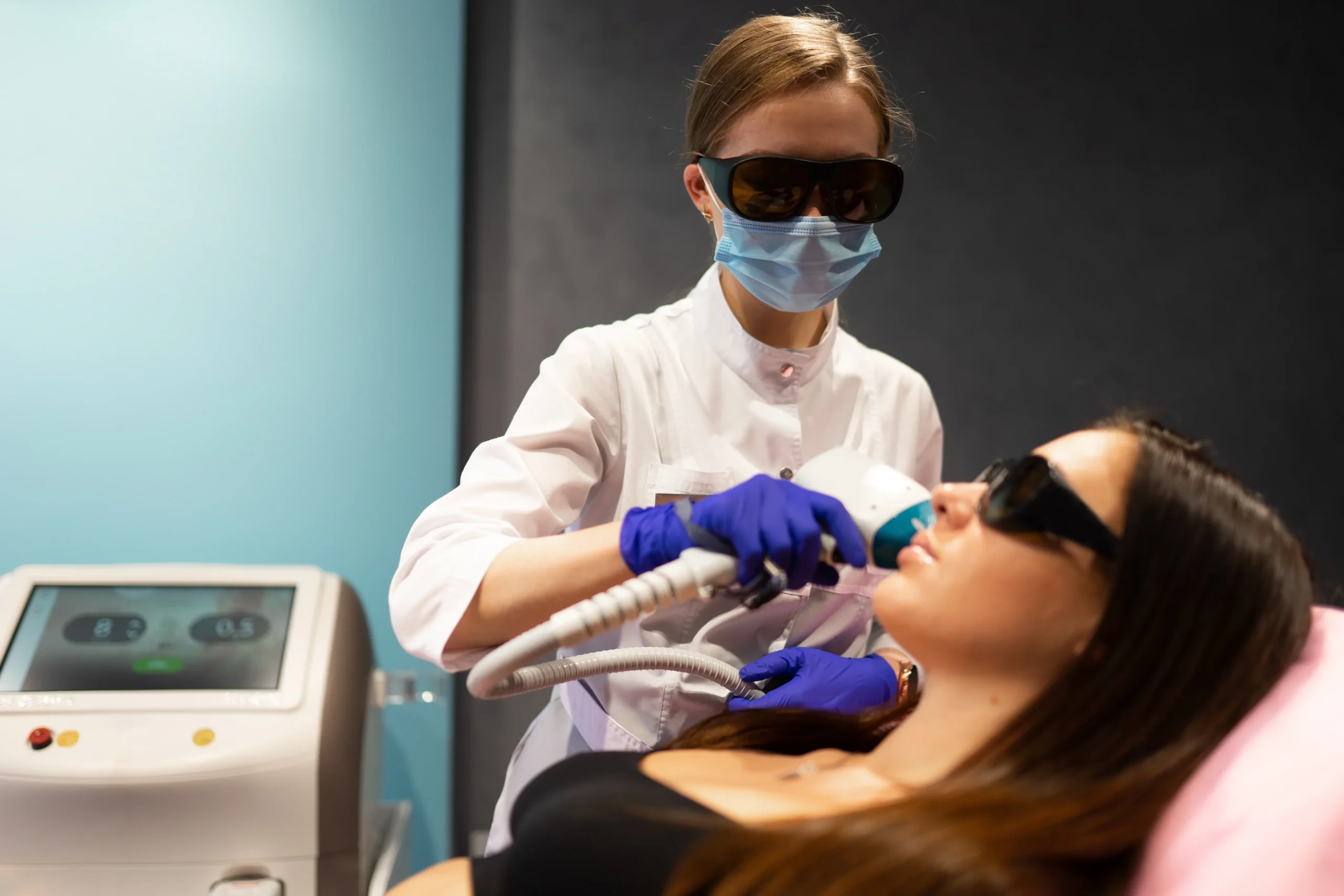
Medical aesthetician performing facial laser hair removal on a female patient wearing protective eyewear.

Contact Cooling in Laser Treatments: Comfort and Safety in Every Pulse

Contact Cooling in Laser Treatments: Comfort and Safety in Every Pulse Cooling protects skin and improves comfort during laser procedures. It also helps you hold your settings inside a safe range. This article explains how contact cooling works, how to use it with timing and technique, and how to avoid common mistakes that lead to complications. You will see where cooling fits in the five key parameters you already use. You will also learn when

Contact Cooling in Laser Treatments: Comfort and Safety in Every Pulse Read More »

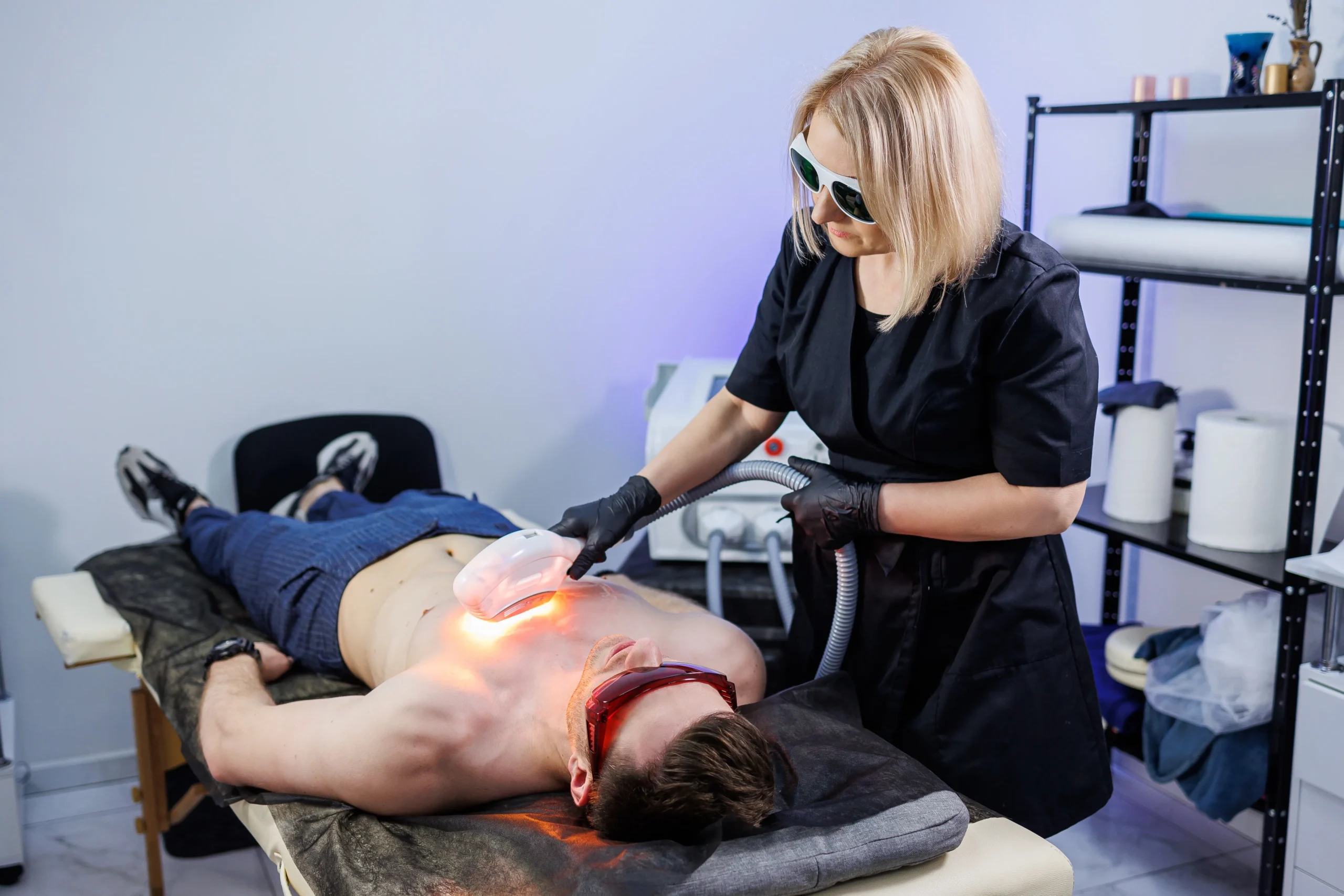
Aesthetic specialist performing laser hair removal on a male patient’s chest in a clinical treatment room.

Laser Safety Myths Every Aesthetic Practitioner Should Stop Believing

Laser Safety Myths Every Aesthetic Practitioner Should Stop Believing Laser safety rests on facts you can test. Myths spread fast in our field and they often sound convincing, yet they lead to poor settings and avoidable injuries. This article clears up the most common myths I see during training and consulting. You will learn what actually keeps patients safe and how to use that knowledge during your next session. I base these points on clinical

Laser Safety Myths Every Aesthetic Practitioner Should Stop Believing Read More »

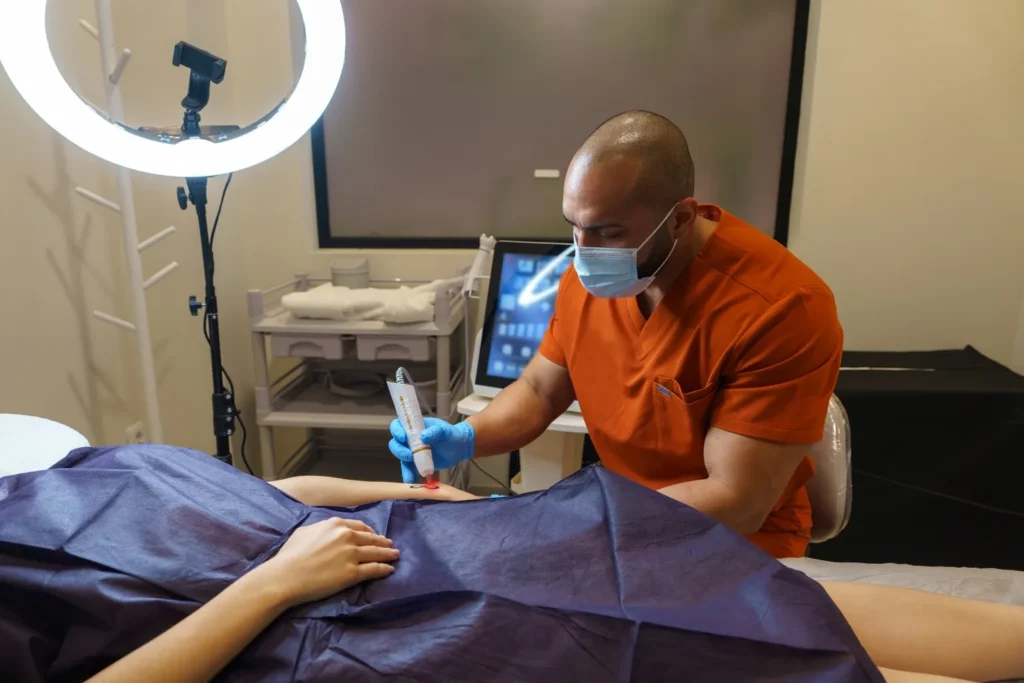
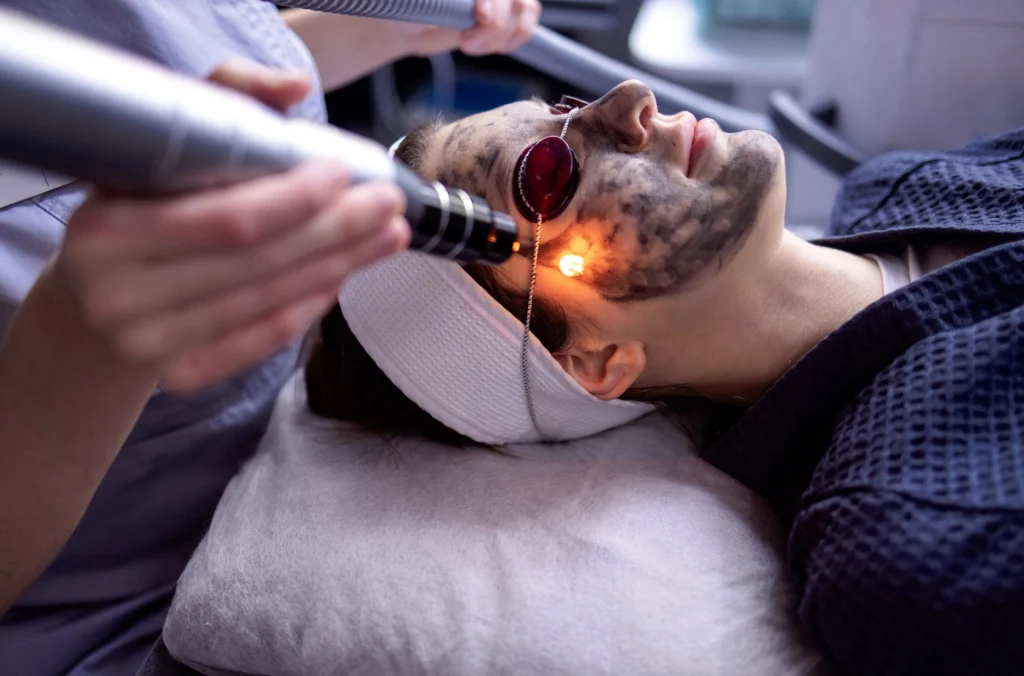
Medical professional performing a laser or aesthetic procedure on a patient in a clinical treatment room.

Understanding Light–Tissue Interaction in Aesthetic Treatments

Understanding Light-Tissue Interaction in Aesthetic Treatments Every pulse you deliver enters skin and follows a path. Some light reflects. Some scatters. Some gets absorbed and turns into heat. When you understand that path, you choose safer settings and you produce steady results. This article shows you what happens inside the skin and how to use that knowledge during treatment. These concepts support the five parameters you set on your device. If you want structured practice

Understanding Light–Tissue Interaction in Aesthetic Treatments Read More »

Laser Physics Made Simple for Aesthetic Practitioners

Laser Physics Made Simple for Aesthetic Practitioners Every aesthetic laser treatment starts with physics. You don’t need to be a scientist to use this knowledge—you just need to understand the basic principles that guide how light behaves in skin. Once you know the fundamentals, your results become consistent, your confidence improves, and your patients stay safe. This guide explains laser physics in plain language. It’s designed for practitioners who want to make smarter decisions about

Laser Physics Made Simple for Aesthetic Practitioners Read More »

ANSI Z136.3 Explained – The Gold Standard in Laser Safety When it comes to the safe use of lasers in healthcare settings, no standard carries more weight than ANSI Z136.3. Officially titled “American National Standard for Safe Use of Lasers in Health Care”, this document provides the comprehensive framework that hospitals, clinics, and aesthetic practices rely on to protect patients and staff from preventable harm. If you are working with lasers or intense pulsed light

Read More »

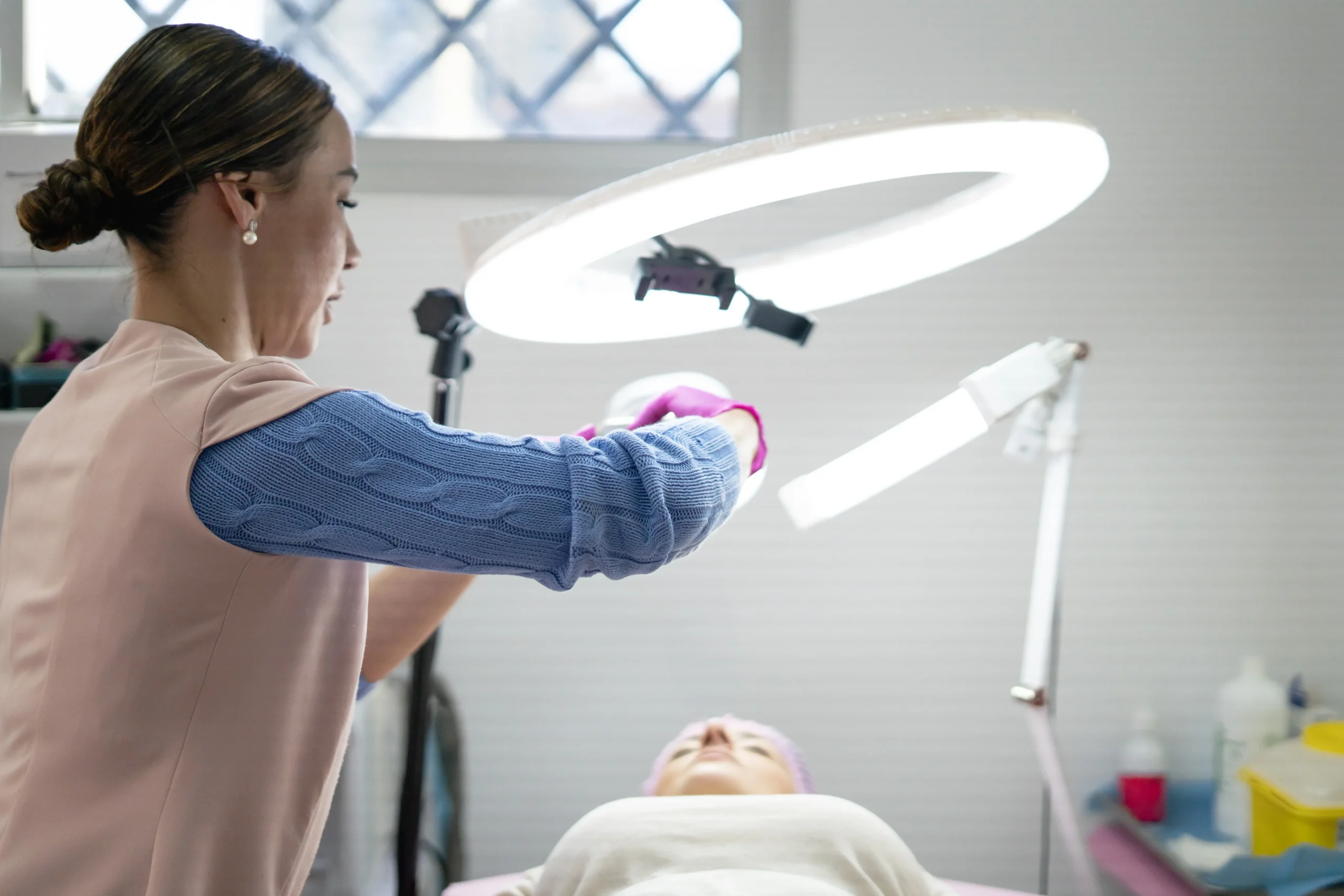
Aesthetic professional adjusting lighting equipment above a patient during a facial or laser procedure in a clinical treatment room.

The 5 Key Laser Parameters Every Aesthetic Professional Must Master

The 5 Laser Parameters Every Aesthetic Professional Must Master Every successful laser treatment depends on how well you control five settings: wavelength, fluence, pulse duration, spot size, and repetition rate. These parameters determine how energy behaves in tissue, how deep it travels, and how safely it delivers results. When you understand them, you stop relying on presets and start working with confidence. As a Certified Medical Laser Safety Officer and ANSI Z136.3–aligned educator, I focus

The 5 Key Laser Parameters Every Aesthetic Professional Must Master Read More »

Aesthetic & Cosmetic Laser Training with John Hoopman – Live & Online Certification Courses

Choosing the Right Cosmetic Laser Training – Online vs Live Courses Cosmetic and aesthetic laser training is no longer optional — it’s the foundation of safe, effective patient care and long-term career growth. But with so many education options available, providers often ask the same question: Should I take an online course or attend a live, in-person training? The right answer depends on your goals, experience level, schedule, learning style, and budget. In this comprehensive

Aesthetic & Cosmetic Laser Training with John Hoopman – Live & Online Certification Courses Read More »

Scroll to Top