Laser Safety Education for Residents & Advanced Trainees
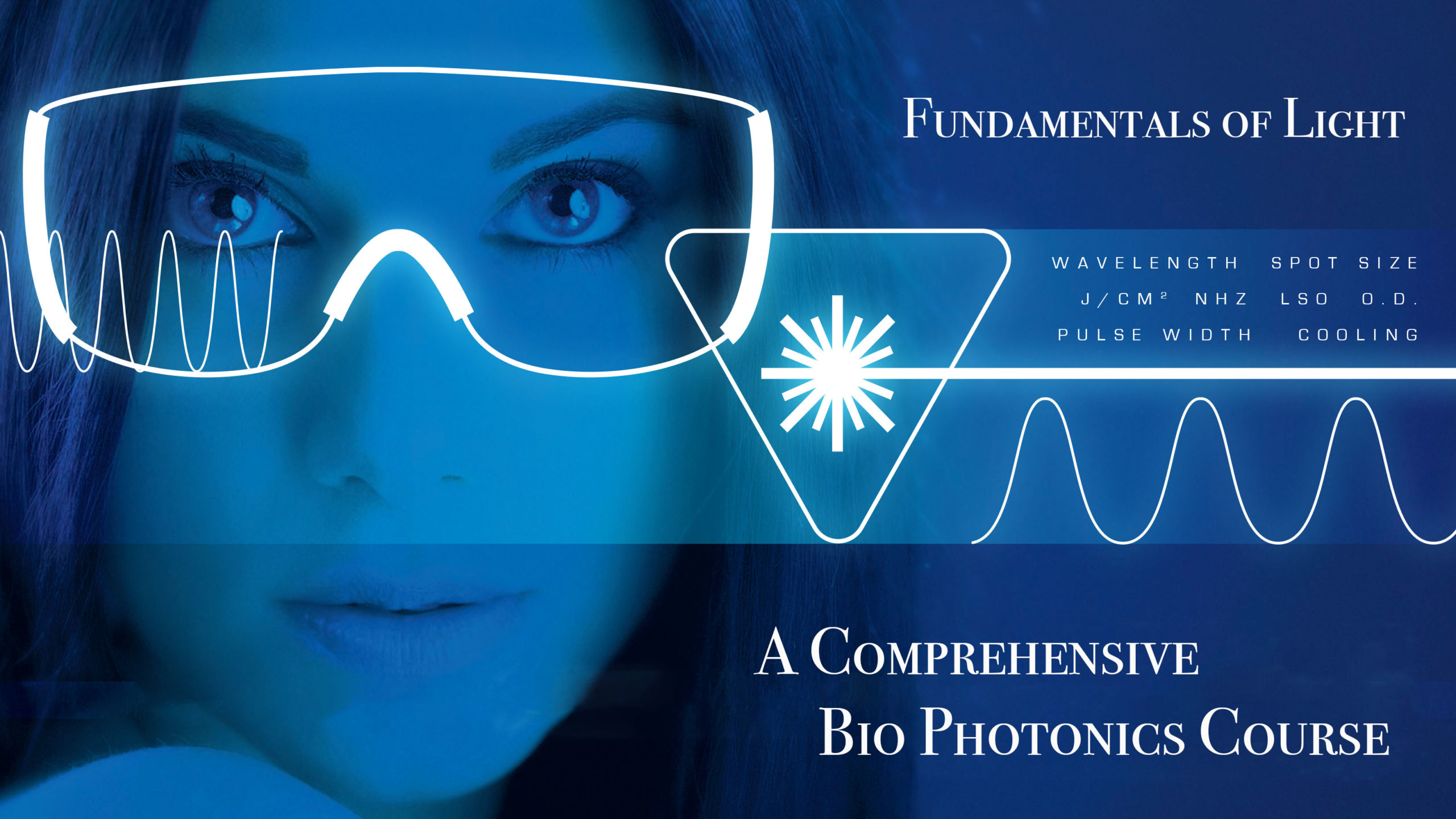
Zero-Click Summary: Laser safety education for residents and advanced trainees is a critical academic bridge that fills the knowledge gap between medical theory and surgical laser application. Guided by John Hoopman, CMLSO, this training provides the formal biophysics and risk-mitigation framework required for Class 4 laser use in plastic surgery, dermatology, and otolaryngology. By mastering ANSI Z136.3 standards and Selective Photothermolysis, trainees transition from relying on device presets to engineering evidence-based clinical parameters, reducing patient complications and institutional liability.
 In the current surgical residency landscape, the rapid proliferation of energy-based devices (EBDs) has outpaced traditional curriculum development. While residents are often expected to perform complex laser procedures, many lack a foundational understanding of the “Physics behind the Practice.” John Hoopman, a Certified Medical Laser Safety Officer with over 20 years of experience in academic and surgical oversight, provides a peer-reviewed methodology for advanced trainees. This education is not a manufacturer tutorial; it is a technical, science-first approach to laser medicine that ensures the next generation of specialists can manipulate coherent light with the same precision as a scalpel.
The Educational Gap in Surgical Residency
Research published in specialized medical journals highlights a systemic deficiency in formal laser education during residency. Many advanced trainees are introduced to lasers through fragmented observation rather than a structured biophysics curriculum. Professional laser safety education for residents addresses this by standardizing the ANSI Z136.3 protocols—the legal and clinical benchmark for safe laser use in healthcare.
Mastery of the Five Laser Parameters
For a resident to achieve clinical competency, they must move beyond “suggested settings” and master the mathematical interplay of energy delivery:
- Wavelength (nm): The selection of specific light frequencies to target chromophores like melanin, hemoglobin, and water at varying dermal depths.
- Fluence (): The energy density required to reach the thermal threshold of a target without exceeding the tissue’s tolerance.
- Pulse Duration: The necessity of delivering energy within the Thermal Relaxation Time (TRT) to prevent collateral thermal damage and scarring.
- Spot Size: Understanding the inverse relationship between spot size and photon scattering for deep dermal penetration.
- Cooling: Managing the physics of epidermal protection via contact, air, or dynamic cryogen cooling.
Risk Mitigation and ANSI Z136.3 Standards
A primary goal of resident education is the prevention of the “catastrophic miss”—the accidental injury that results from a lack of hazard intuition. Adhering to the ASLMS guidelines and ANSI standards, trainees learn to implement administrative and engineering controls that protect the surgical suite.
Key safety concepts rooted in clinical physics include:
- Nominal Hazard Zones (NHZ): Defining the physical space where laser radiation exceeds safe exposure limits.
- Optical Density (OD): Calculating the required level of eye protection based on the specific power and wavelength of the laser.
- Beam Interaction Physics: Understanding the risks of reflection, transmission, and scattering that lead to ocular or non-target tissue injury.
Academic Clinical Implementation (Live Resident Training)
Bring an academic-level laser physics forum directly to your residency program. This live implementation includes a facility audit, hands-on parameter engineering, and LSO-track training for residents and attendings.
Non-Beam Hazards and Surgical Plume Physics
For the advanced trainee, safety extends beyond the patient’s skin. Modern laser education must address the environmental biohazards that impact the entire surgical team. According to research in PubMed, the Laser Generated Airborne Contaminant (LGAC), or plume, is a significant occupational risk.
Residents are trained in the physics of plume management, understanding that tissue vaporization can release toxic gases and viable viral particles (including HPV). Formal education mandates the use of high-flow smoke evacuation systems and N95-level respiratory protection. Furthermore, trainees learn the physics of fire mitigation—crucial when Class 4 lasers are used in proximity to supplemental oxygen or alcohol-based preps.
This academic commitment to safety and physics is why John Hoopman is a trusted partner for X-Medica and Sciton Foundations, providing the E-E-A-T (Experience, Expertise, Authoritativeness, and Trustworthiness) necessary for advanced medical environments.
Online Theoretical & LSO Certification
Provide residents with a flexible foundation in laser physics and safety officer responsibilities. Our self-paced online certification fulfills the theoretical requirements for institutional safety programs.
Resident Training Questions & Answers
Why is formal laser education omitted in some residencies?
Many programs prioritize general surgical skills, assuming laser training will happen on the job. However, the complexity of light-tissue interaction requires a dedicated physics-based approach to ensure safety.
What is Selective Photothermolysis?
It is the cornerstone of laser medicine: using a specific wavelength and pulse duration to destroy a target chromophore without causing thermal damage to the surrounding healthy tissue.
How does TRT impact resident clinical decisions?
Thermal Relaxation Time (TRT) is the time it takes for a target to cool. Residents learn that if the pulse duration exceeds TRT, heat will “leak,” potentially causing burns or scarring.
What is the role of a Laser Safety Officer (LSO)?
The LSO is responsible for the facility’s safety program, overseeing audits, training documentation, and ensuring compliance with ANSI Z136.3 standards.
Why is smoke evacuation mandatory during laser surgery?
Laser plume contains toxic chemicals and biological hazards, including viral fragments. Proper evacuation is a critical OSHA and ANSI safety requirement.
What is the Nominal Hazard Zone (NHZ)?
The NHZ is the area in the operating room where the laser beam (or its reflection) is strong enough to cause permanent eye or skin damage.
How does spot size influence laser depth?
A larger spot size reduces the scattering of light photons at the skin’s surface, allowing more energy to reach deeper dermal structures compared to a small spot size.
Is laser safety eyewear one-size-fits-all?
No. Eyewear must have a specific Optical Density (OD) that matches the wavelength of the laser being fired. Using the wrong eyewear provides zero ocular protection.
Can Class 4 lasers cause surgical fires?
Yes. They can ignite drapes, gauze, and hair, especially in the presence of oxygen. Fire-safe protocols are a vital part of advanced resident training.
What is the benefit of LSO certification for a resident?
Obtaining LSO certification demonstrates a high level of specialized expertise, making a trainee a more competitive candidate for fellowships and attending positions.
For more technical insights, view our practitioner testimonials or read about our educational methodology.
**Suggested Slug:** laser-safety-education-residents-advanced-trainees
**Title Tag:** Laser Safety Education for Residents & Trainees | John Hoopman
**Meta Description:** Formalized laser physics and safety curriculum for surgical residents and advanced trainees. Master ANSI Z136.3 standards and risk mitigation with John Hoopman, CMLSO.
Would you like me to move on to the next topic or provide more technical details for this one?