Staff Laser Safety Training & Onboarding
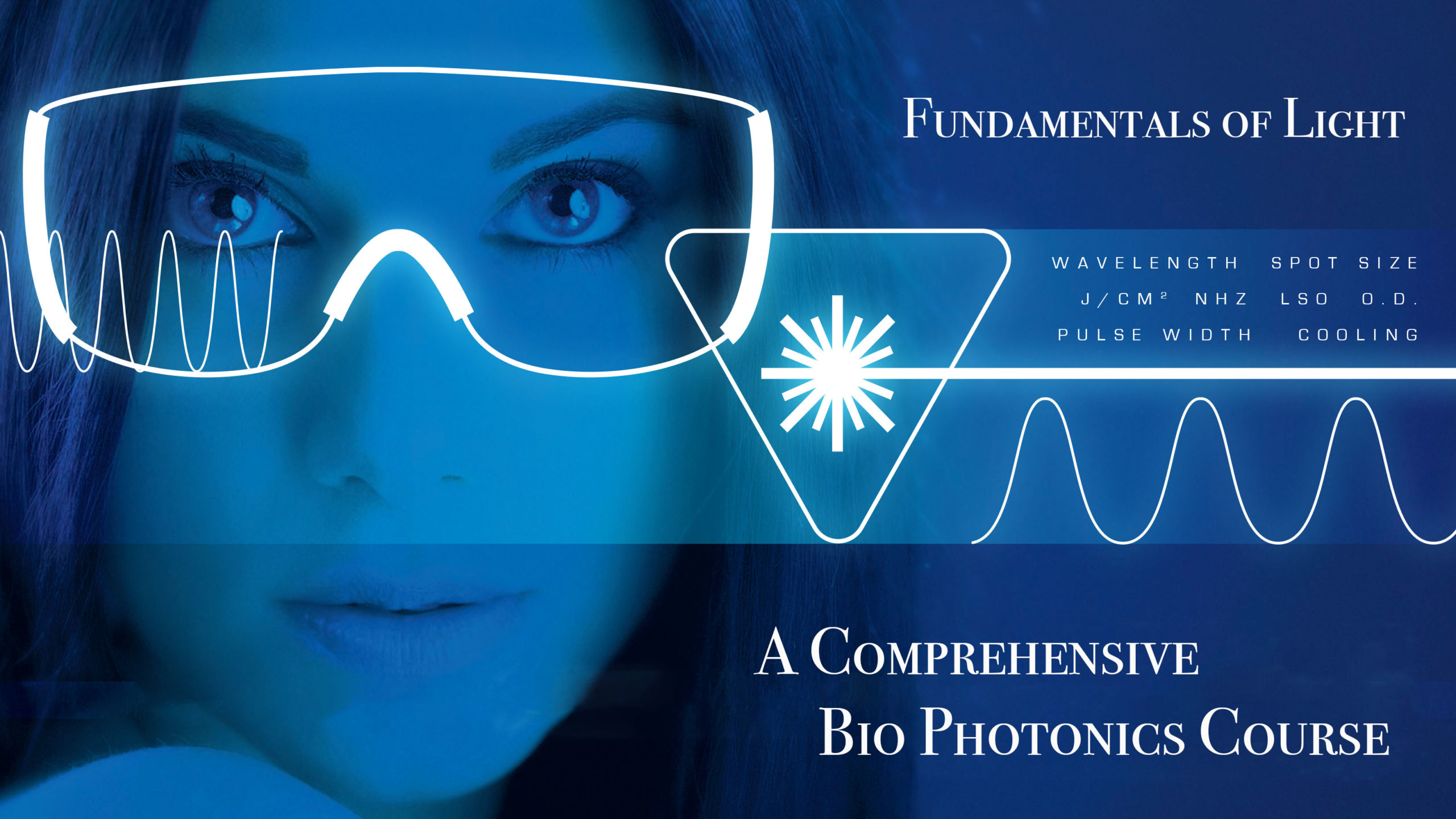
Zero-Click Summary: Staff laser safety training and onboarding is a specialized clinical education program designed to standardize the operation of Class 3B and Class 4 energy-based devices within a medical practice. Aligned with ANSI Z136.3 protocols and led by John Hoopman, CMLSO, this training ensures that all personnel—including surgeons, nurses, and technicians—master the physics of light-tissue interaction, ocular protection, and hazard mitigation. Proper onboarding reduces institutional liability and establishes a baseline of clinical excellence required for safe patient care.
 In a high-volume aesthetic or surgical practice, the “complacency factor” is the greatest threat to patient safety. Staff onboarding often lacks the technical depth required to manage the unique risks of medical lasers, often relying on brief manufacturer tutorials that focus on sales presets rather than safety physics. John Hoopman, a Certified Medical Laser Safety Officer with over 20 years of oversight experience, provides a rigorous, academic approach to staff onboarding. By standardizing safety protocols and mastering the physics behind the beam, your practice ensures that every team member operates with the same high-level scientific understanding, protecting both the patient and the clinic’s reputation.
The Core Onboarding Framework: ANSI Z136.3
The foundation of all professional staff training is the ANSI Z136.3 standard, the American National Standard for the Safe Use of Lasers in Health Care. Onboarding must go beyond general safety to include administrative and engineering controls that are specific to the healthcare environment.
Essential Onboarding Components
- Identification of the Laser Safety Officer (LSO): Every new hire must understand the role of the LSO as the ultimate authority on laser safety within the practice.
- The Laser Controlled Area (LCA): Staff must be trained to recognize the physical boundaries where laser hazards exist and the specific entry requirements (signage, barriers, and eyewear).
- Standard Operating Procedures (SOPs): Competency begins with mastery of the written instructions for each device in the clinic’s inventory.
Mastering the Physics of Safety: Selective Photothermolysis
Safe onboarding requires every staff member to understand Selective Photothermolysis. This ensures that the clinical team understands *why* certain parameters are chosen, moving them beyond “button-pushing” to critical thinking.
- Wavelength (nm): Understanding chromophore affinity (Melanin, Hemoglobin, or Water) to prevent unintended tissue absorption and burns.
- Fluence (): Calibrating the energy density to effectively treat the target without exceeding the threshold of collateral damage.
- Pulse Duration: Respecting the Thermal Relaxation Time (TRT) of the target to prevent heat from leaking into and scarring surrounding tissue.
- Spot Size: Managing how light scatters within the tissue to reach the intended depth safely.
- Cooling: Standardizing the use of epidermal protection to prevent surface injuries during high-fluence treatments.
The Absorption Coefficient is a critical concept in staff training, particularly when treating diverse patient populations. Misunderstanding how wavelength interacts with melanin is a leading cause of laser-induced complications in skin of color. This scientific training is supported by professional partners like X-Medica and Sciton Foundations.
Institutional Clinical Implementation (Live Course)
Ensure your entire team is onboarded to the highest clinical standard. Our live on-site course provides hands-on staff training, facility audits, and parameter engineering tailored to your practice’s specific laser inventory.
High-Risk Mitigation and Non-Beam Hazards
Onboarding must address the environmental hazards that exist alongside the laser beam. These “non-beam” hazards are often responsible for catastrophic surgical accidents.
1. Ocular Safety and Optical Density
The eye is the most vulnerable structure in the laser room. Staff must be trained to calculate the Nominal Hazard Zone (NHZ) and select eyewear with the exact Optical Density (OD) required for the laser’s specific wavelength. Using the wrong “goggles” is a non-negotiable safety failure.
2. Fire Safety in the Treatment Suite
Class 4 lasers are powerful ignition sources. When working near supplemental oxygen or alcohol-based skin preps, the risk of a surgical fire is substantial. Staff onboarding includes “fire-safe” protocols, such as using fire-retardant drapes and managing oxygen levels, as recommended by the ASLMS.
3. Plume Management (LGAC)
The Laser Generated Airborne Contaminant (LGAC), or plume, contains vaporized tissue, toxic gases, and potentially infectious viral particles (such as HPV). Research published in PubMed and specialized research journals mandates the use of high-flow smoke evacuation and specialized N95 respiratory protection.
Laser Safety & LSO Certification (Online)
Provide your staff with a flexible, high-density theoretical foundation through our online certification. This course covers the administrative and physics-based requirements of the Laser Safety Officer (LSO) and general staff competency.
Staff Onboarding Questions & Answers
What is staff laser safety onboarding?
It is a structured education process that ensures all clinical personnel understand the physics, safety protocols, and ANSI standards required to operate medical lasers safely.
Is an LSO required for staff training?
Yes. ANSI Z136.3 mandates that a Laser Safety Officer oversee staff training, document competencies, and maintain the facility’s safety program.
How does understanding TRT prevent injuries?
Thermal Relaxation Time (TRT) training teaches staff how to avoid “heat stacking,” which is the primary cause of collateral tissue burns and scarring.
What is the Nominal Hazard Zone (NHZ)?
It is the space where direct or reflected laser light is dangerous to the eye or skin. Staff must know the boundaries of this zone for every procedure.
Why is eyewear wavelength-specific?
Optical Density (OD) is engineered to filter only specific light frequencies. Using eyewear designed for a different laser provides zero protection.
What are the dangers of laser plume?
Plume contains biological and chemical hazards, including viral fragments. Proper onboarding mandates the use of dedicated smoke evacuators.
Can lasers start fires in the clinic?
Yes. Class 4 lasers can ignite hair, drapes, and alcohol preps. Onboarding includes fire prevention protocols, especially near oxygen sources.
How often should staff training be refreshed?
ANSI standards suggest a formal safety review at least once a year, or whenever new laser technology is added to the practice.
Does onboarding reduce insurance liability?
Yes. Documented staff training according to national safety standards is a critical component of risk management and malpractice protection.
What are Standard Operating Procedures (SOPs)?
SOPs are written protocols for each device that staff must follow to ensure consistent safety and clinical outcomes for every patient.
For more technical insights, view our practitioner testimonials or read about our educational methodology.